5 Sustainable Warehousing Design Ideas with Dexion Solutions
At its core, sustainability in warehouse operations is the strategic alignment of logistics activities with environmental responsibility. It involves adopting technologies and processes that reduce the ecological footprint of supply chain hubs.
Dexion helps businesses transition from traditional storage models to high-performance facilities with automated systems. We zone in on energy efficiency and the total maximisation of resources. This approach addresses the environmental impact of large-scale operations while ensuring that land and materials are used with the highest possible efficiency.
Benefits of Sustainable Warehouse Operations
Transitioning to sustainable warehouse solutions yields significant operational advantages that contribute to long-term commercial viability.
Enhanced Throughput and Operational Efficiency
By refining workflows and reducing energy-intensive bottlenecks, we enable facilities to handle higher volumes of goods. Streamlined processes mean less energy is consumed per unit moved.
Superior Space Utilisation
Dense storage configurations allow businesses to store more in a smaller area. This reduction in the physical footprint lowers the energy required for lighting and temperature control across the site.
Extended Equipment Lifespan
We provide industrial solutions designed for durability. Higher-standard engineering reduces the frequency of equipment replacement, which in turn lowers the demand for new raw materials and reduces manufacturing waste.
Substantial Long-term Cost Savings
While initial updates require investment, the reduction in utility consumption and waste generation leads to a lower total cost of ownership over the life of the facility.
Reduced Carbon Footprint
Implementing sustainable warehouse practices directly cuts greenhouse gas emissions by lowering reliance on fossil-fuel-based electricity and optimising mechanical movements.
Effective Warehouse Waste Solutions
Through smarter inventory management and the use of reusable components, we help facilities significantly decrease the volume of material sent to landfill.
Strengthened Brand Reputation
Operating with transparency and environmental integrity enhances a company’s image, meeting the growing expectations of global partners and conscious consumers.
5 Ideas for Sustainable Warehouse Design
Sustainable warehouse design involves many elements, but implementing a few key strategies from the very start of a new facility can maximise efficiency, reduce environmental impact, and support long-term sustainability initiatives.
1. Durable Storage Solutions
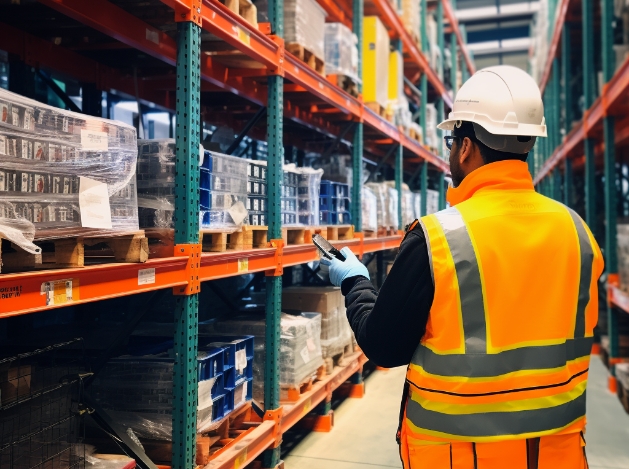
Durable storage systems offer a practical path to greater sustainability in existing brownfield warehouses. By investing in robust racks, shelves, and bins, businesses can cut down on replacements, reduce waste, and save on maintenance costs. For greenfield sites, selecting eco-friendly and resilient storage solutions at the design stage ensures efficient operations and minimises environmental impact throughout the warehouse’s lifecycle.
2. High-Efficiency Warehouse Automation
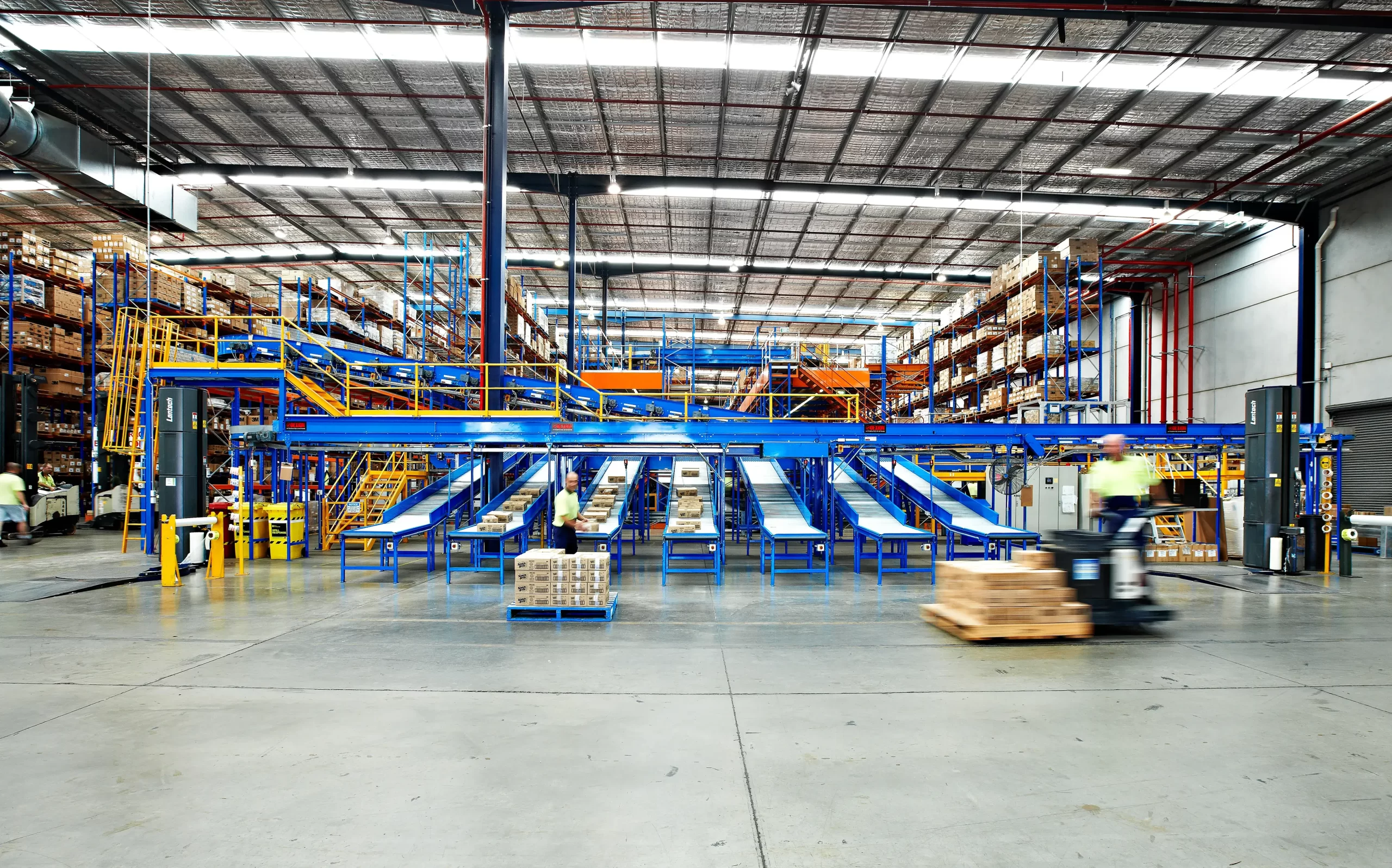
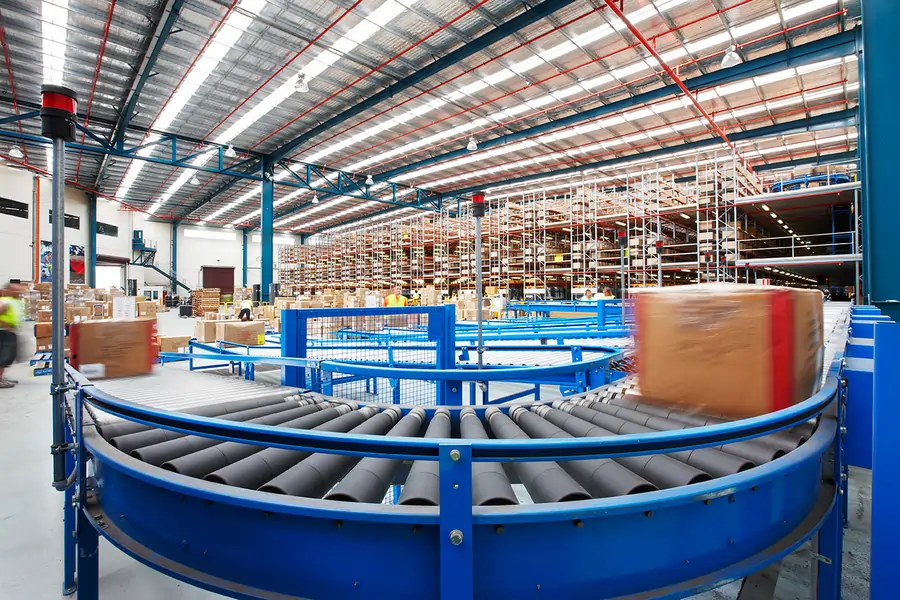
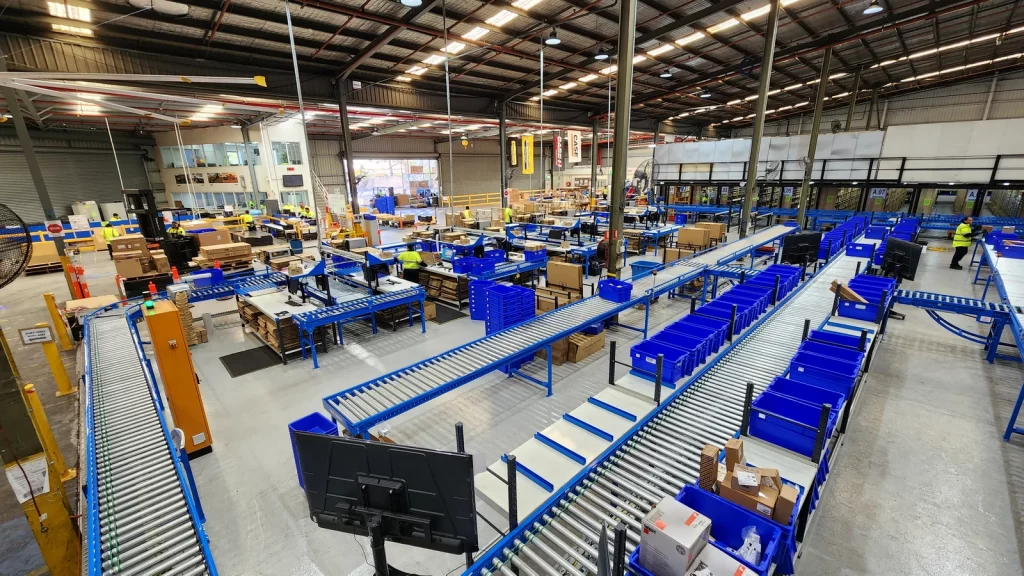
Automation is a primary driver for warehouse sustainability. Our systems, such as the MDS ASRS (Automated Storage and Retrieval System) and Smart Roller Conveyors, are engineered to use power only when necessary. By integrating MDS ASRS we create high-density storage environments that can operate in “dark warehouse” conditions—minimising the need for lighting and climate control in areas where human interaction is infrequent.
3. Modular and Reconfigurable Storage Systems
To support long-term sustainability ideas for warehouse management, equipment must be adaptable. Our modular system, the AI-Driven MDS ASRS, can be reconfigured or expanded as inventory profiles change. This flexibility is a key component of sustainable warehouse waste solutions, as it prevents the decommissioning and disposal of entire racking systems when business needs evolve, keeping materials in use for longer.
4. Maximised Vertical Storage
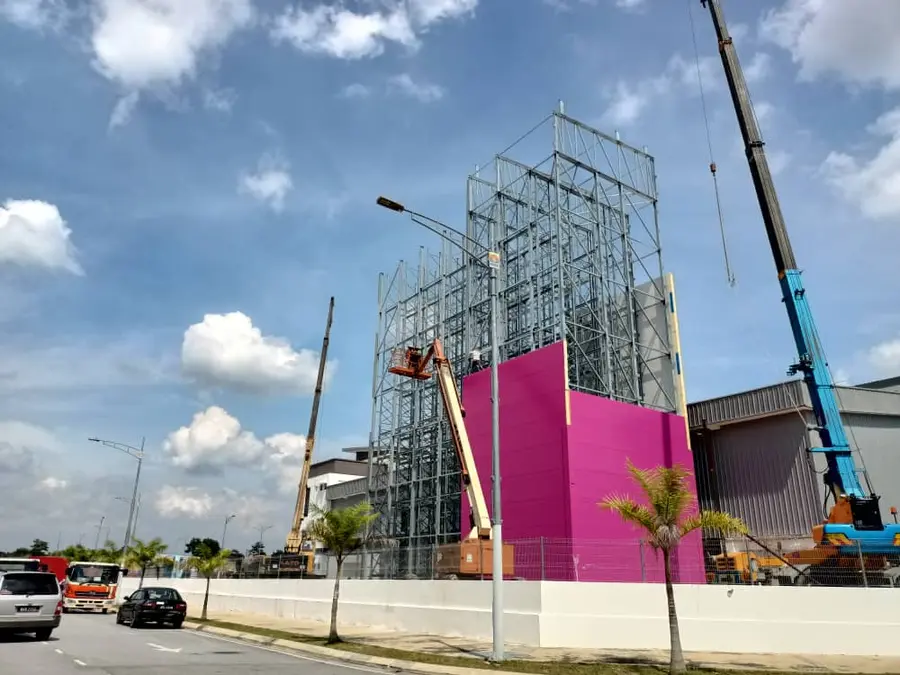
In regions where land is a scarce resource, looking upward is essential for warehouse sustainability. We focus on high-density solutions like raised storage areas, mezzanine floors, and rack-clad buildings, which are highly compatible with ASRS systems. By utilising the full vertical height of a site, we provide a sustainable warehouse solution that increases capacity without the environmental cost of expanding the building’s physical footprint or acquiring more land.
5. Warehouse Layout Optimisation
Efficiency is found in the reduction of unnecessary movement. We employ layout optimisation to ensure that high-turnover goods are positioned to minimise travel distances for material handling equipment. This reduction in travel time not only speeds up operations but also lowers the energy consumption of forklifts and automated vehicles. Furthermore, strategic layouts allow for more precise control over lighting and energy use in different zones of the facility.
Dexion’s Commitment to Sustainability
We maintain a rigorous Environmental Management System (EMS) that is certified to AS/NZ ISO14001:2016 (ISO14001:2015 Certification). This ensures that our internal operations and client solutions are consistently monitored for environmental impact. Our range of Commercial products is GECA-certified, providing independent verification that our solutions meet strict environmental, health, and ethical standards throughout their lifecycle.
Our approach to sustainable warehouse solutions is also reflected in our manufacturing processes. We prioritise the conscious sourcing of raw materials and implement robust recycling programs for scrap materials to ensure minimal waste.
LEED-Gold Certified Facility in Shah Alam
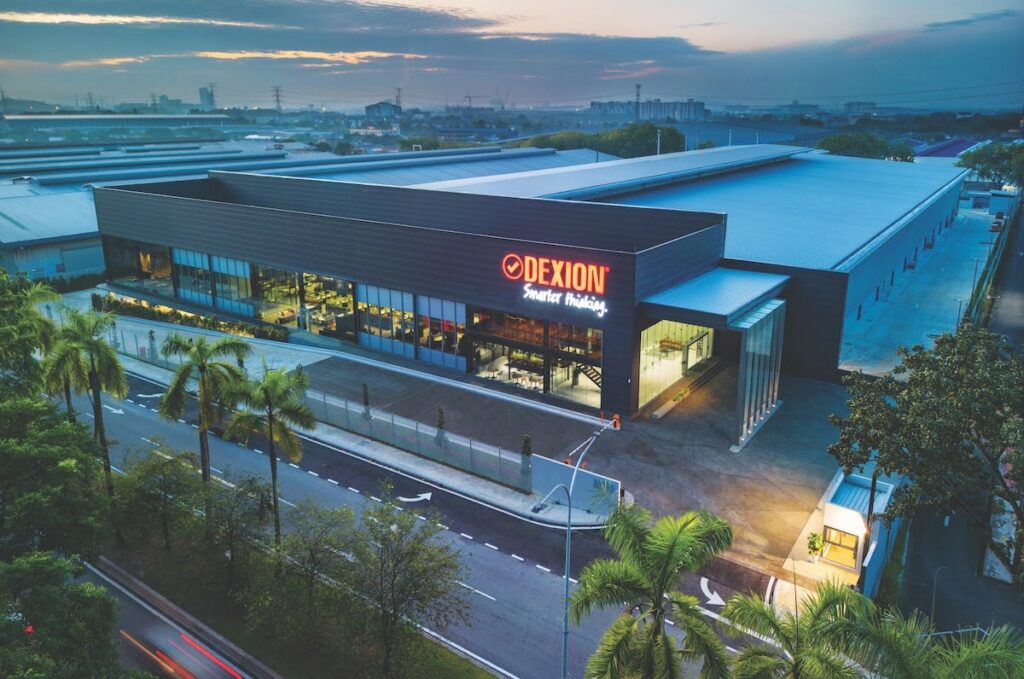
Our commitment to high-standard green infrastructure is exemplified by our LEED Gold-certified facility in Shah Alam, which serves as a benchmark for energy-efficient and sustainable industrial operations. The LEED Gold certification recognises buildings that achieve high performance in areas such as energy efficiency, water savings, material selection, and indoor environmental quality.
Our Shah Alam facility manufactures steel storage products for the Australian market. It incorporates a range of environmentally-friendly features, including LED lighting, solar panels, dedicated recycling zones, and stormwater management systems. In addition, the facility prioritises high-performance insulation, helping to maintain comfortable indoor temperatures while reducing energy consumption—an especially climate-conscious approach for Malaysia’s tropical conditions.
Conclusion
The evolution of modern supply chains makes sustainable warehousing an operational necessity. By integrating greener design principles and advanced automation, we help you achieve your productivity goals while fulfilling environmental responsibilities. Contact Dexion today to find out which sustainable storage solutions fit your facility’s requirements.