
With rising land costs in major Asian commerce hubs and an increasingly competitive export market, the traditional reliance on manual labour is shifting. Forward-thinking enterprises are now integrating warehouse automation solutions to future-proof their operations and maximise their existing footprints.
What is Warehouse Automation?
At its core, what is warehouse automation can be defined as the strategic application of technology to perform repetitive tasks, manage inventory movement, and store goods with minimal human intervention. It involves a transition from manual data entry and physical handling to a digitally coordinated environment.
Current trends in the region are heavily focused on warehouse automation technology that leverages artificial intelligence (AI). This move toward automation in warehouse settings allows for predictive stock replenishment and AI-driven slotting, where the system identifies the most efficient locations for goods based on real-time demand data. This digital transformation ensures that facilities remain agile in the face of fluctuating market conditions.
Levels of Warehouse Automation Systems
Automation is not an all-or-nothing investment; it exists in varying degrees of technical complexity:
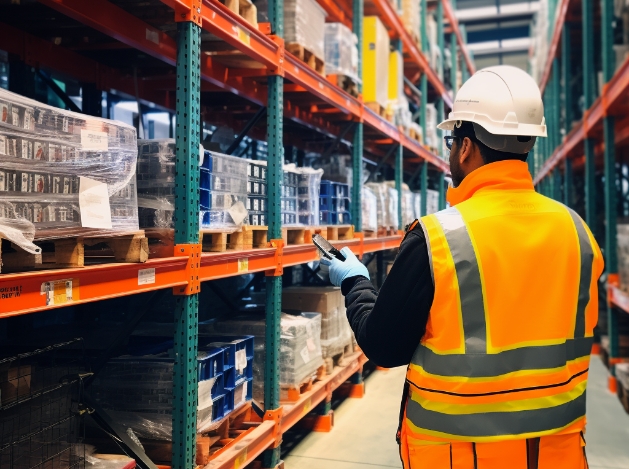
- Basic Warehouse Automation: Focuses on digitising data through barcode scanners and simple software to reduce paperwork and manual counting.
- Warehouse Management System (WMS) Automation: Uses advanced software to act as the “central nervous system,” coordinating task interleaving and real-time inventory tracking.
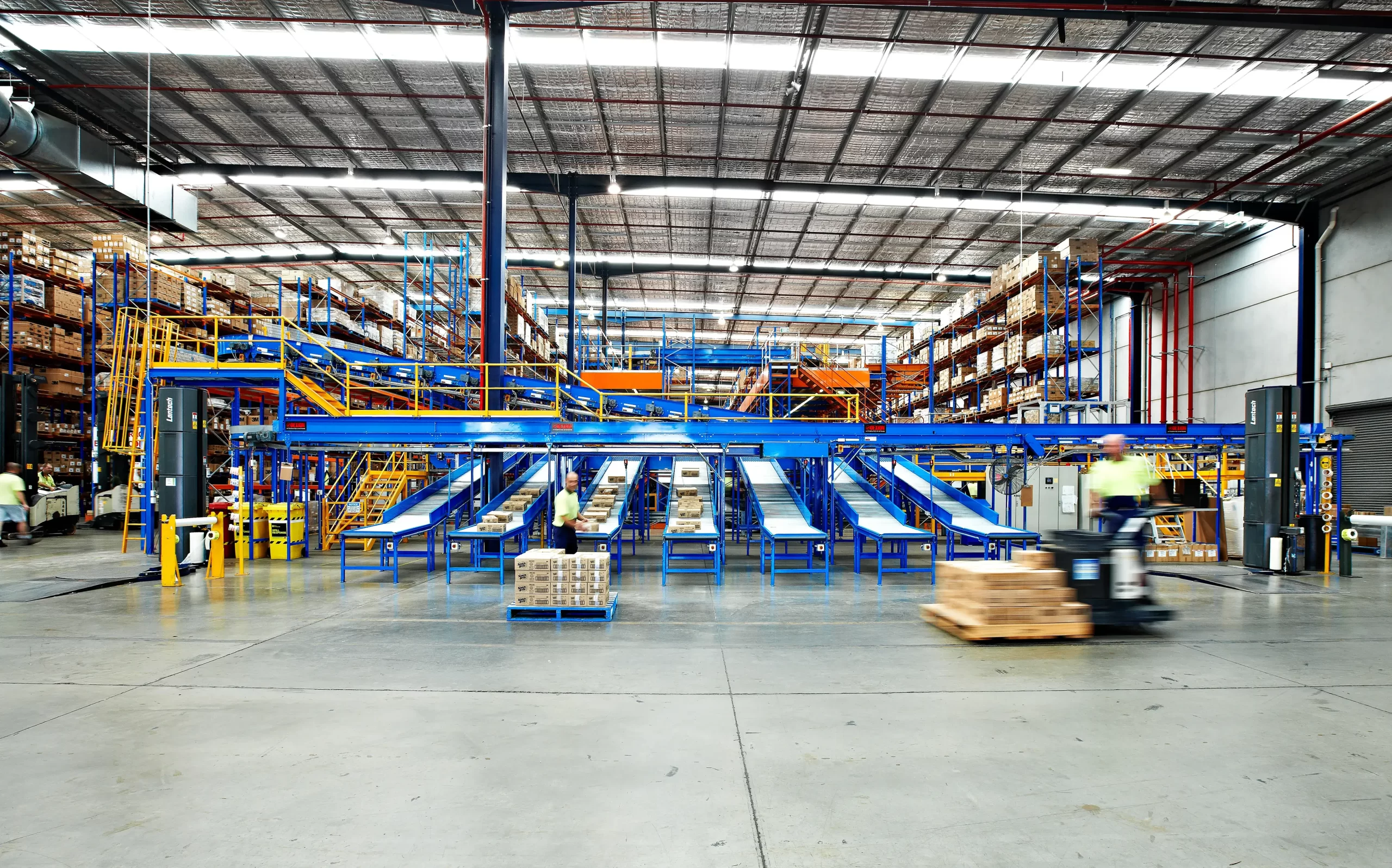
- Mechanised Warehouse Automation: Introduces physical hardware like sorters, conveyors, and carousels that take over the heavy lifting and movement of goods.
- AI-Driven Warehouse Automation: The most advanced tier, where warehouse automation robotics and machine learning algorithms coordinate to make autonomous operational decisions.
Benefits of Warehouse Automation
Optimisation of Operational Throughput
One of the primary benefits of warehouse automation is the ability to operate 24/7 without the performance dips associated with human fatigue. This continuous workflow allows facilities to process significantly higher volumes of orders, ensuring that delivery windows are met even during seasonal peaks.
Precision and Error Reduction
By removing manual touchpoints, the risk of human error in picking and shipping is virtually eliminated. ASRS warehouse automation ensures the correct SKU is retrieved every time, which drastically reduces the costs associated with returns, re-stocking, and customer dissatisfaction.
Enhanced Safety and Ergonomics
Automation targets the “Three Ds”—tasks that are Dull, Dirty, or Dangerous. By assigning heavy lifting and high-reach retrieval to warehouse automation robotics, businesses significantly improve workplace safety and reduce the incidence of occupational injuries.
Energy and Space Efficiency
High-density warehouse automation systems allow for much tighter storage configurations than manual forklift operations. This leads to a smaller building footprint, which in turn reduces the energy required for lighting, heating, and facility maintenance.
Challenges of Implementing Warehouse Automation
High Initial Capital Expenditure
The transition to an automated warehouse requires a significant upfront investment in both hardware and software. While the long-term ROI is compelling, businesses must have a clear financial roadmap to manage the initial CAPEX.
Integration with Legacy Systems
A major technical challenge is the warehouse automation integration with existing ERP or older WMS platforms. Incompatible data flows can lead to bottlenecks, requiring a robust digital strategy to ensure all systems communicate seamlessly.
Workforce Reskilling and Training
As the facility moves toward warehouse automation technology, the nature of work changes. Personnel must be retrained to operate and maintain the new equipment, shifting from manual labour to technical oversight roles.
Maintenance and Technical Downtime
Automated systems require rigorous preventative maintenance. Any technology failure can potentially stall a high-speed operation, making a reliable support agreement and a partnership with a specialist essential for minimising downtime.
Is Warehouse Automation Right for Your Business?
Assess Volume and Scaling Plans
If your business handles high-volume SKU movements and is struggling to keep up with order frequency, automation is likely a necessary step. It is the most effective way to scale operations without a proportional increase in headcount or floor space.
Manage Space and Labour Constraints
In regions where industrial land is at a premium or where labour shortages are common, warehouse automation solutions provide the stability needed to remain operational. If your facility is currently at 85% capacity or higher, automation can help you reclaim vertical space and delay expensive relocation.
Calculate ROI and Sustainability
Determining if warehouse automation is the right investment involves looking at the long-term sustainability of your current manual model. If rising labour costs and error rates are eroding your margins, the ROI of an automated system often justifies the move within a few years.
Dexion As Your Warehouse Automation Specialist
Dexion is a global leader in providing future-focused warehouse automation systems that are engineered for the highest levels of durability and performance.
MDS ASRS (Multi-Directional Shuttle)
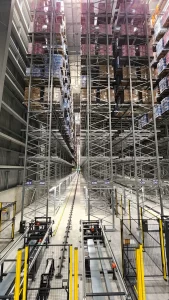
The MDS ASRS is a sophisticated solution for high-density pallet storage. This autonomous shuttle system navigates a condensed racking framework across three axes, providing high-speed access to every pallet location without the need for traditional forklift aisles.
Smart Roller Conveyors
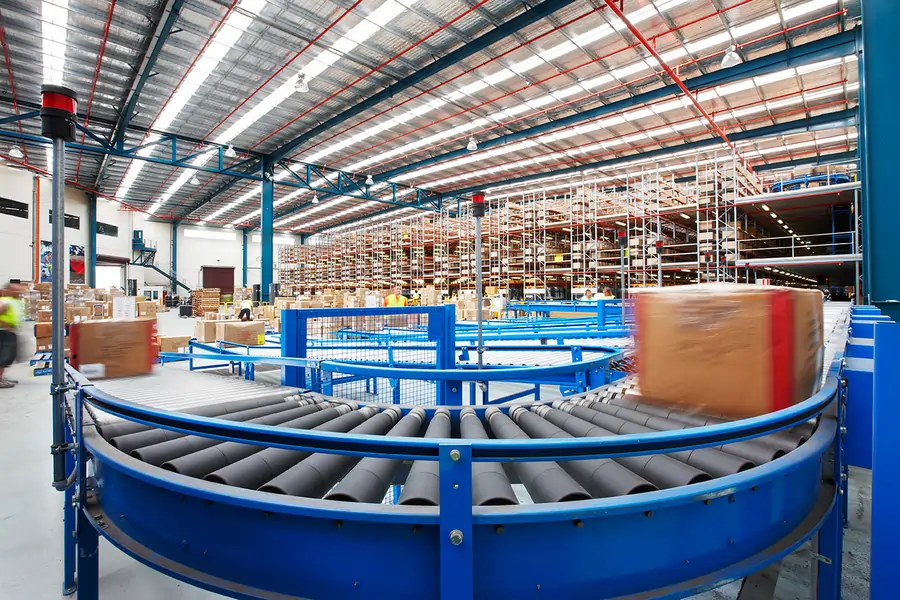
Dexion integrates Smart Roller Conveyors into material handling solutions to ensure a seamless flow of goods. These systems feature intelligent logic for product tracking and zero-pressure accumulation, allowing inventory to move from storage to dispatch with zero manual intervention.
Dexion ASRS Racking
Dexion’s ASRS warehouse racking is designed to support the immense weight and dynamic forces of high-speed cranes. These high-bay structures allow for extreme vertical storage density, ensuring every cubic metre of your facility is productive.
Conclusion
As the demand for faster, more accurate logistics grows, the move toward an automated warehouse is becoming a strategic imperative. By choosing Dexion as your automation partner, you gain access to the technical expertise and engineered solutions required to transform your supply chain.
Contact us to get a one-to-one consultation today about your facility requirements and bespoke automation needs.
Frequently Asked Questions About Warehouse Automation
1. What is Warehouse Automation?
It is the use of technology and software to automate repetitive warehouse tasks, such as storage, retrieval, and sorting, with minimal human assistance.
2. Why is Warehouse Automation Important in Warehouses?
It is essential for managing high-volume throughput, reducing operational errors, and overcoming labour and space constraints in a competitive market.
3. What Are the Types of Warehouse Automation?
Common types of warehouse automation include the MDS ASRS (multi-directional shuttle system), Smart Roller Conveyors, and ASRS Racking.
4. How Do Warehouse Automation Solutions Like ASRS Improve Warehouse Safety?
By taking over tasks like high-reach retrieval and heavy lifting, they remove personnel from hazardous zones and reduce the risk of workplace injuries.
5. How Do I Automate My Warehouse?
Start by identifying your biggest bottlenecks. Consult with a warehouse automation specialist like Dexion to design a modular system that addresses your specific needs, beginning with the levels of automation that offer the fastest ROI.