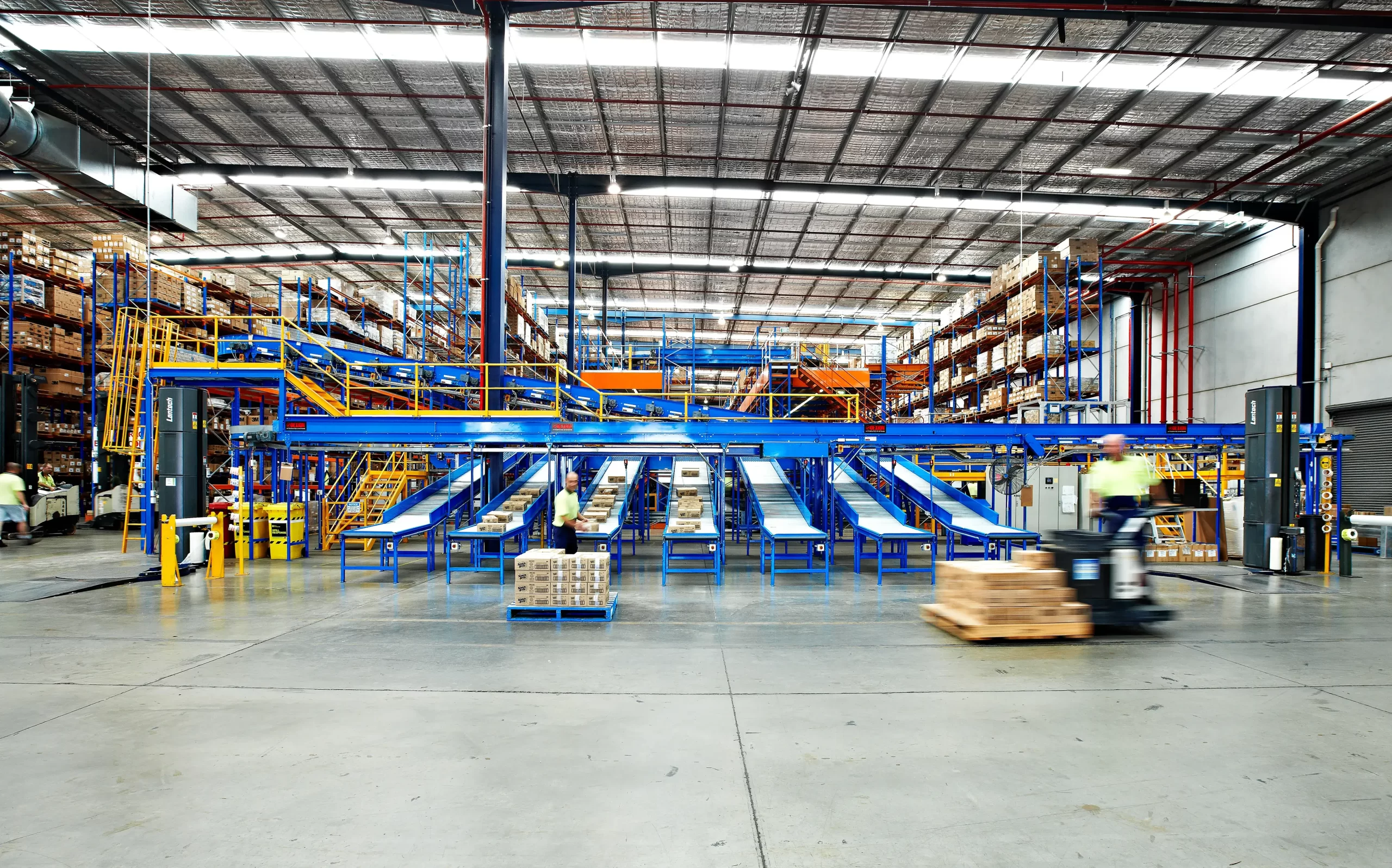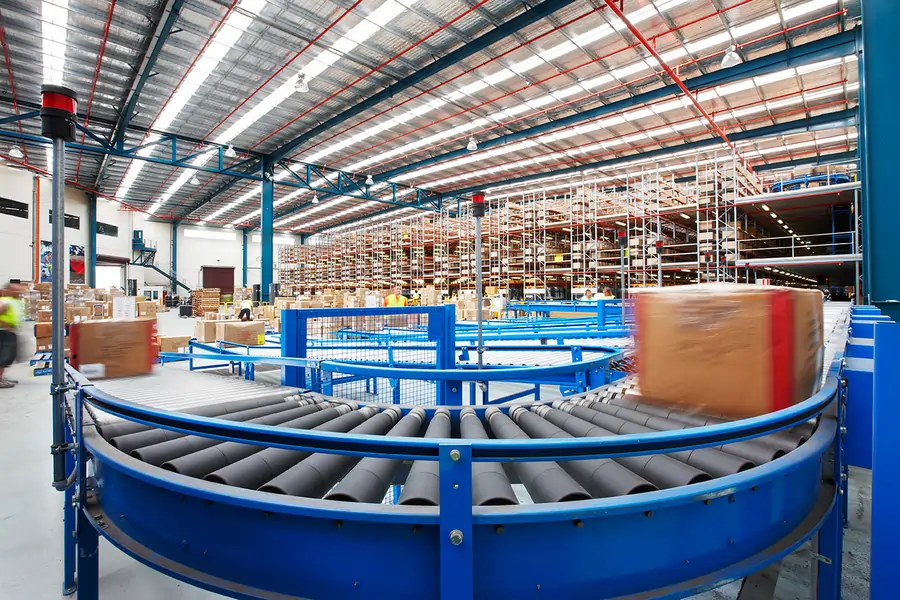

Industrial facilities face steep challenges with rising industrial land values and dense urban zoning. To solve these spatial constraints, we engineered the MDS ASRS—an autonomous multi-directional shuttle engineered specifically for comprehensive space and throughput optimisation.
The MDS ASRS architecture is highly modular and easily configurable, allowing companies to quickly adapt their footprint or expand their fleet as corporate needs evolve. The system features an agile, low-wear design built for sustained operational reliability.
This keeps energy consumption low and minimises structural wear during multi-shift operations, even in the high-humidity, high-temperature manufacturing environments common throughout the region.
Navigational Capabilities of the MDS ASRS
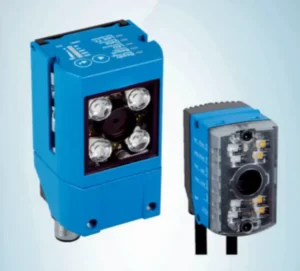
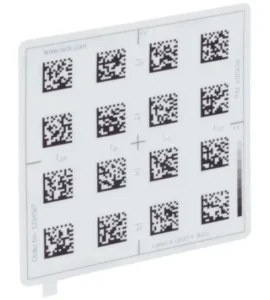
To maintain steady throughput within tightly condensed racking, automated fleets must rely on absolute navigational telemetry. The MDS ASRS technology implements the Dexion Datamatrix Barcode Positioning platform as the primary navigation method for tracking and guiding shuttles inside the compact racking system.
This optical framework relies on two core physical components:
- Industrial Cameras: Integrated directly onto the chassis of each vehicle, these high-frequency sensors scan layout paths continuously.
- Engineered Barcode Labels: High-contrast barcodes are securely mounted along travel paths, guidance tracks, and track intersections.
By capturing and processing real-time optical images, every vehicle in the ASRS shuttle system cross-references its position relative to the grid. Consequently, shuttles move, stop, align, and transfer materials with absolute precision, eliminating tracking drift and reducing mechanical friction on the rack structures.
How Accurate is the Barcode Positioning in the MDS ASRS?
How do we achieve such exceptional operational tolerances? The secret lies in the data structure of the datamatrix markers.
Each data code encodes two distinct metrics simultaneously: the absolute system location within the overall layout grid, and the precise relative position from the barcode centre. By decoding both data points at high speed, the system achieves millimetre-level precision for shuttle navigation, ensuring consistent, automated placement during every cycle.
Why Optical Architecture Outperforms Alternative Technologies
Warehouse floors are demanding environments with ambient dust, varying lighting, and structural vibrations. To combat this, the Dexion Datamatrix Location Barcode features enhanced material quality, a higher-contrast substrate, and a hard-wearing undercoat and overcoat.
We ensure long-term durability by placing these labels strategically clear of shuttle travel paths, isolating them from direct wheel tracking, structural deflections, or unexpected pallet impacts. This reduces maintenance overheads and prevents costly tracking errors.
Optical Tracking vs. RFID for Multi-Directional Guidance
When choosing a navigation method for a four-way shuttle framework, optical datamatrix technology offers significant advantages over Radio Frequency Identification (RFID) systems:
- Complexity and Capital Expense: RFID setups introduce a higher cost and added complexity, demanding intensive field calibration and sensor networks.
- Positional Accuracy: RFID tracking exhibits limited position accuracy, lacking the specific coordinate centring that high-density matrix storage requires.
- Environmental Vulnerability: While RFID functions reliably in highly controlled settings with zero disruptions, variations in humidity and ambient temperature can weaken RFID signals. This reduces tracking ranges and leads to increased detection failures on the floor.
For an operational four-way shuttle system, optical infrastructure provides dependable tracking consistency. Whether managing a specialised 4-way pallet shuttle unit or organising multi-tier routing with a standard 4-way pallet configuration, our barcode system secures steady material flow under any climatic conditions.
Conclusion
Dependable navigational infrastructure is vital to securing high performance and protecting your material handling investments. The MDS ASRS technology for navigation is engineered to deliver repeatable positioning accuracy, helping to future-proof warehouses and manufacturing hubs against rising operational costs. Contact us today to consult with a Dexion engineer about building a new facility or upgrading your existing footprint with the MDS ASRS.