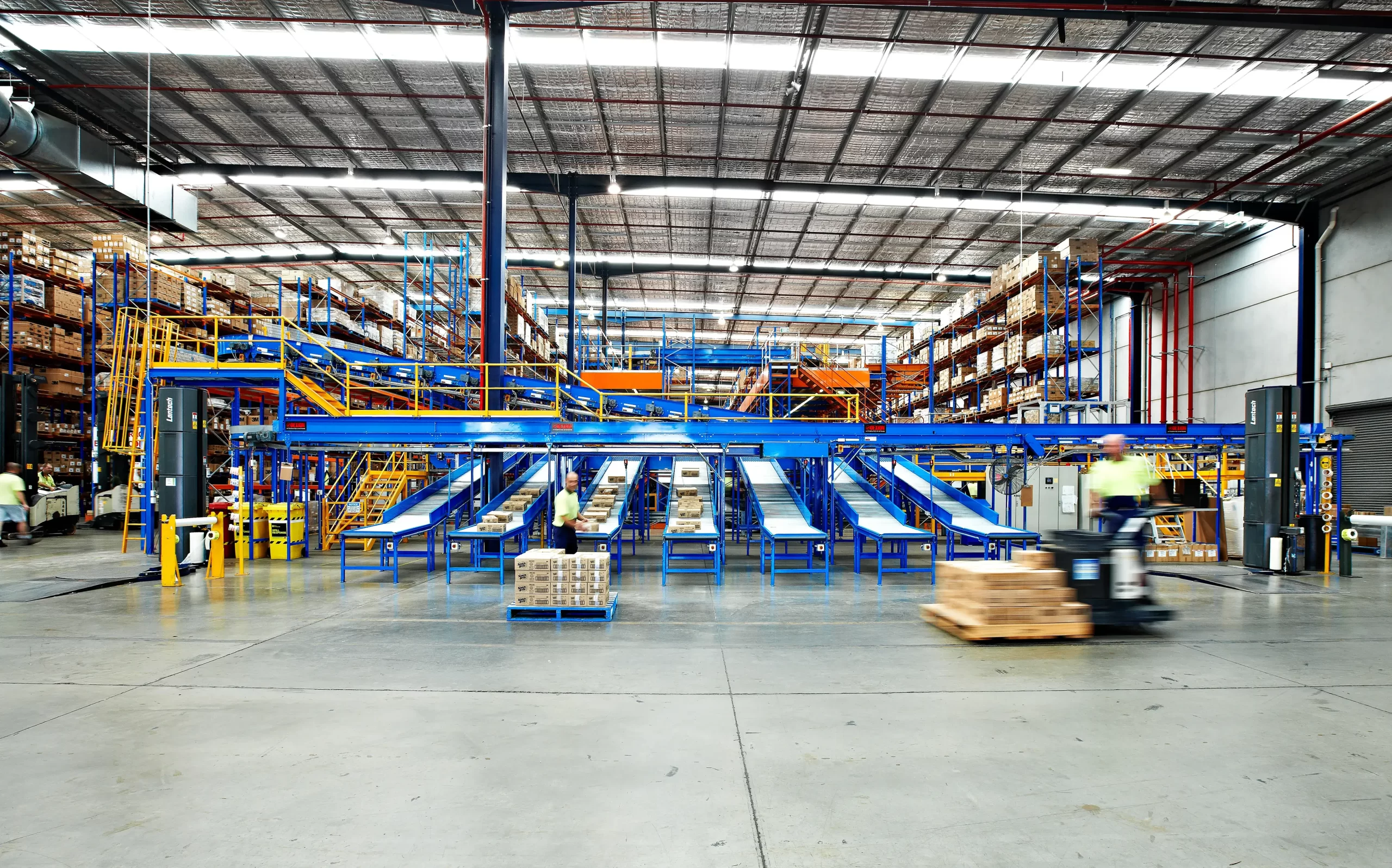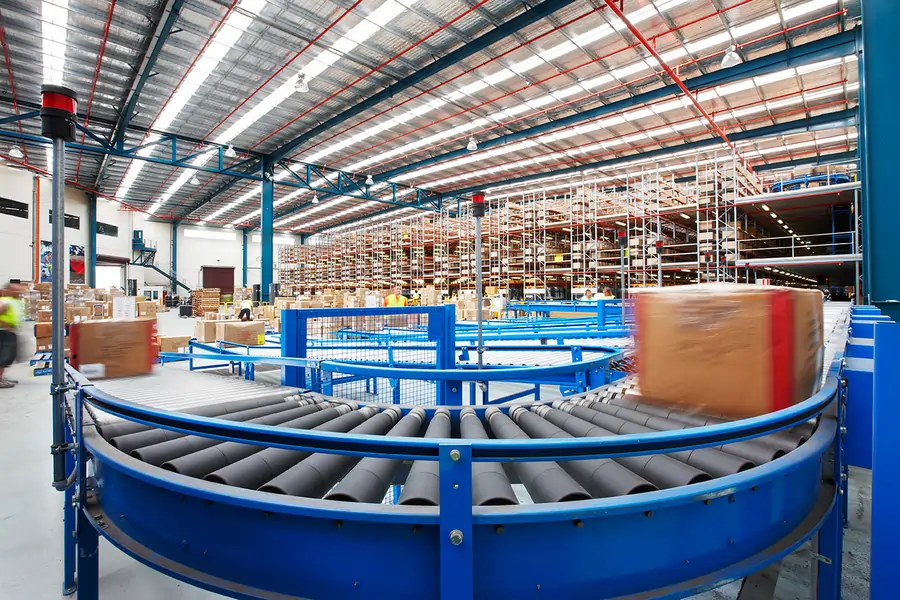
Modern, high-velocity logistics hubs face non-stop pressure to keep goods moving. In busy facilities where space optimisation is paramount, structural wear can easily go unnoticed amidst the daily flow of heavy inventory.
As structural compromises are frequently subtle, forklift collisions or overloaded shelves might not cause an immediate failure. However, treating these signs of fatigue with indifference can result in devastating frame collapses, total stock destruction, and severe personal injury.
To protect both floor staff and operational continuity, regular evaluations paired with actionable fixes provide the most reliable safeguard.
Why Are Racking Inspections Crucial for Warehouses?
Strict Legal & Safety Compliance
Operating an industrial storage facility carries stringent legal obligations regarding workplace welfare. Regulatory compliance requires that your storage structures align perfectly with localised engineering parameters and international standards.
Across major regional manufacturing and trade hubs, facilities must cross-reference rigorous frameworks. This includes meeting compliance standards like MS 1972:2013 and MS 828:2014 alongside OSHA enforcement guidelines in Malaysia, as well as European frameworks such as BS EN 15635 and EN 15620, which dictate broader regional best practices. To remain valid under these guidelines, every pallet racking inspection requirements scheme mandates a professional assessment at a minimum once every 12 months.
Structural Risk Mitigation
Steel frames under constant load adapt to stresses over time. Undertaking a thorough racking inspection allows engineers to detect microscopic shifting, minor twists, and hairline cracks early, preventing localised strain from cascading into total system failure.
Elimination of Personnel Hazards
Floor teams working inside high-density storage aisles rely on the integrity of the structures surrounding them. Deteriorated racking structures pose an immediate warehouse safety risk for personnel, making systematic physical evaluations essential for preventing hazardous debris falls or aisle entrapment.
Preservation of Inventory Capital
A structural collapse can wipe out entire product lines in seconds. Consistent structural tracking ensures inventory remains well-protected and shielded from costly damage caused by sudden load displacement.
Avoiding Operational Bottlenecks
When an incident occurs, the affected zone becomes a crime or investigation scene, halting picking operations for days or weeks. Routine oversight is an operational insurance policy, working to prevent long periods of downtime after an incident.
Dexion’s Pallet Inspection Checklist
To assist logistics managers in executing routine site surveys, we break down our comprehensive engineering evaluations into five key focal areas. This pallet inspection checklist covers the essentials of a professional pallet racking safety inspection.
Incident Reporting and Pallet Integrity
- Incident Log Auditing: Safety culture depends on transparency. Every single forklift strike, regardless of size, must be logged instantly so that the affected bay can be isolated for a thorough technical review.
- Pallet Dimensions and Profiles: Racking configurations are built to accept specific load distributions. Part of a formal pallet racking inspection involves identifying and removing unsuitable pallets.
- Load Positioning and Timber Quality: Warehouse staff must ensure that pallets are seated squarely across both the front and rear beams, utilising intact front and back boards to secure placement. Any pallet showing splits, dry rot, or bowing must be removed immediately.
Frames, Baseplates, and Anchoring
- Upright Guarding and Bracing: Columns must be checked for plumb line accuracy. Inspectors look specifically for low-height front-or-rear impact damage, which is statistically the most common forklift impact zone.
- Anchoring Connections: Floor-level stability requires concrete anchors to be firmly seated. Baseplates must be inspected to ensure they are securely anchored to the warehouse slab with all bolts fully intact and properly torqued.
- Levelling and Column Protection: Subfloor movement or heavy impacts can cause moved levellers or damaged baseplates, which ultimately create a visible “lean” in the racking run. Simultaneously, the physical condition of pallet rack protectors must be reviewed to ensure they retain their impact-absorption capabilities.
Beams and Structural Engagement
- Deflection and Hook Distortion: Beams must be evaluated for vertical sagging and horizontal bowing. Technical teams look for excessive bends in the middle of beams under load, as well as structural twist or metal tearing at the end-connectors and hooks.
- Upright Beam Seating: A beam cannot achieve its engineered load-bearing capacity if its hooks are partially unseated. The audit ensures that every beam is fully and properly engaged with the upright frame profiles.
- Unauthorised Configuration Changes: Inventory teams often reposition beams upward or downward to make room for changing stock profiles without engineering sign-off. This checklist catches instances where beam levels have been altered, which can drastically alter and weaken the designed structure.
Safety Locks
- Retention Pin Audits: Safety clips prevent beams from being lifted out of their vertical slots by ascending forklifts. Auditors must confirm that all Beam-Safety-Locks are present across every connection, with missing items marked for immediate replacement.
- On-Site Contingency Storage: Facilities must maintain an adequate backup supply of Safety-Locks on-site to ensure any missing components can be replaced on the spot to meet compliance mandates.
Load Signs and Documentation
- Visibility of Parameters: Operators must clearly understand the weight limits of the bays they are loading. Every racking row must feature a highly visible, permanent Load-Sign positioned clearly at the end of the aisle.
- Data Matching & Accuracy: Signage must reflect reality. Inspections verify that the displayed data aligns with regional standards and that the physical rack configuration (such as maximum bottom-beam-height limits) matches what is stated on the sign.
Predictive Maintenance: The Next Automated Step
While standard visual checks are essential for keeping pace with wear and tear, forward-thinking operations are shifting away from purely reactive maintenance models. To minimise downtime with automation, the industry is embracing real-time predictive maintenance.
In modern, high-density storage environments, physical walkthroughs are combined with continuous digital tracking. Systems like our MDS ASRS broadcast live data for each individual shuttle directly to a centralised AI hub, allowing remote monitoring of the entire automated footprint. By tracking mechanical metrics such as motor current draws, travel alignment tolerances, and acceleration speeds, the historical events of each shuttle are monitored to ascertain risks before problems arise on the floor.
Rather than relying on generic calendar schedules, servicing and maintenance schedules are adjusted based on real-time data received from the AI hub. Adopting these smart predictive maintenance strategies allows worn components to be swapped out during planned, low-demand windows. This data-first integration maximises ROI and throughput, keeping the broader supply chain running smoothly.
FAQs for Pallet Racking Inspection in Asia
1. How often should pallet racks be inspected?
In line with recognised regional safety guidelines, a professional, independent safety audit must be carried out at least once every 12 months. This should be supported by weekly or monthly internal visual checks conducted by your own trained floor supervisors.
2. Why are racking inspections crucial for warehouses?
Inspections catch minor structural issues—such as hairline weld fractures, warped beams, or missing safety pins—before they lead to systemic structural failures. They keep your business compliant with local safety laws, protect your workforce from injury, prevent costly inventory loss, and avoid long-term operational shutdowns.
3. Which primary safety frameworks govern industrial pallet racking compliance across Asian countries?
Compliance usually depends on localised standards combined with international engineering rules. In Malaysia, operations look to MS 1972:2013 and MS 828:2014, paired with national OSHA regulations. In other trade and shipping zones, European standards such as BS EN 15635 (for operation and maintenance) and EN 15620 (for tolerances and clearances) serve as the primary legal and structural baselines.
4. How does high humidity in tropical climates impact racking inspection points?
Persistent relative humidity accelerates surface corrosion, particularly at baseplates, floor anchor bolts, and beam-to-frame connector joints, where moisture can settle. Inspections in these regions place a much higher focus on identifying paint blistering, oxidation, and rust-related structural thinning, which can quietly compromise structural integrity faster than in temperate climates.
5. As automated ASRS and high-density shuttles expand, how do inspections adapt?
As warehouses go vertical and introduce automation, traditional visual inspections are no longer enough. Audits expand to look at precise tracking tolerances, rail alignment straightness, and guide-wire wear, because even a millimetre of frame deflection can cause a high-speed shuttle to fault. This is why physical audits are increasingly paired with remote digital diagnostic data to flag structural issues before they trigger a system-wide shutdown.
Conclusion
Maintaining the stability and safety of your industrial storage infrastructure requires continuous professional oversight. To ensure your facility complies fully with regional safety codes and manufacturer weight parameters, contact Dexion today to organise a thorough rack safety inspection.